Aviation Switching Module – NSN 4920-01-250-2696 (AS-IS / Untested): Military Aviation Electrical Module
Aviation Switching Module – NSN 4920-01-250-2696 (AS-IS / Untested): Military Aviation Electrical Module
Blog Article
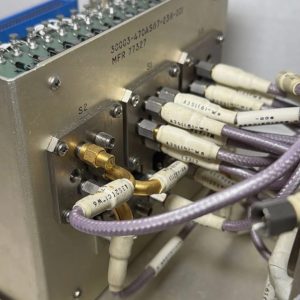
The Aviation Switching Module – NSN 4920-01-250-2696 (AS-IS / Untested) is a specialized aerospace electrical component offered for professional evaluation, restoration, testing, parts recovery, collection, or another suitable non-assumed application.
An Aircraft Switching Module may here control, route, select, isolate, or distribute compatible electrical signals or circuits, while an Aerospace Switching Module should be evaluated according to its exact internal design and intended equipment relationship.
Whether buyers search for an Aircraft Electrical Switching Module, Aviation Electrical Control Module, Aircraft Power Switching Module, Aerospace Electrical Control Unit, or Aircraft Signal Switching Module, technical identification should guide the purchase.
An Aircraft Switching Unit can support specialized signal or circuit management, but an Aerospace Power Distribution Module or Aviation Power Control Module may use different internal architecture and electrical requirements.
Key Details of the Untested Switching Module
Accurate NSN verification helps reduce purchasing errors and prevents an unrelated module from being represented as compatible equipment.
Complete identification increases the value of the Aviation Switching Module for restoration, research, inventory management, or component evaluation.
Understanding AS-IS and Untested Condition
Internal faults, missing components, damaged wiring, corrosion, previous modification, storage deterioration, or electrical failure may be present even when the exterior appears clean.
Professional evaluation protects the module, technician, test equipment, and any associated aerospace system.
Aviation Switching Hardware Uses
An Aircraft Switching Module may provide circuit selection, signal routing, controlled connection, isolation, mode selection, or interface functions within compatible aviation equipment.
Switch movement can be checked gently for obvious binding or damage, but mechanical movement does not establish electrical operation.
Aerospace Enclosure and Connector Condition
Careful exterior evaluation can reveal evidence of previous use or damage before the unit is opened.
Unknown connectors should not be forced into visually similar plugs.
Electrical Switching Module Condition
A qualified technician should determine whether additional internal inspection is justified.
The module should not be modified simply to produce a temporary power-on result.
Maintaining Electrical Control Equipment
An Aviation Electrical Control Module can coordinate or select electrical functions within a compatible aviation or support-equipment system, depending on its documented design.
Careful preservation supports future study and accurate Aviation Electrical Control Module documentation.
Aircraft Power Switching Module Considerations
An Aircraft Power Switching Module may connect, disconnect, select, or manage compatible electrical power circuits when designed for that function.
Missing covers or barriers may expose conductive points and increase handling risk.
Electrical Control Unit Restoration
An Aerospace Electrical Control Unit may combine switching, control, indication, interface, or distribution functions within one enclosed assembly.
Detailed records support the long-term value of the Aerospace Electrical Control Unit.
Choosing an Aircraft Signal Switching Module
The pinout and signal type should be confirmed before continuity or injection testing.
The module should not be modified with unshielded wiring or improvised connectors solely for convenience.
Choosing an Aviation Control Module
Clear intended use helps establish realistic expectations for an AS-IS Aviation Control Module.
Inspection tags, modification plates, repair labels, and revision marks can provide important information.
Commercial Value of an Untested Switching Unit
A complete but untested unit may have different value from an incomplete component known to contain damage.
Technical schools may use a de-energized module to demonstrate connector inspection, switch construction, equipment identification, documentation research, or safe troubleshooting planning.
Aerospace Power Distribution Module Considerations
An Aerospace Power Distribution Module generally manages or routes electrical power among compatible circuits, although the exact function of this NSN should not be assumed without supporting information.
Additional mounting holes should not be drilled until the component application is established.
Maintaining Legacy Aviation Control Equipment
The unit should be photographed before and after any preservation work.
Functional evaluation should proceed in stages, beginning with research and non-powered inspection before controlled electrical testing.
Choosing an Aviation Power Control Module
An Aviation Power Control Module can have specialized applications within aircraft systems, aerospace ground equipment, maintenance platforms, or test installations.
The equipment should remain disconnected and protected during storage.
Maintaining Aerospace Switching Equipment
A systems approach supports more accurate troubleshooting and restoration.
Repair documentation can help distinguish module faults from system faults.
Preserving Military Aviation Equipment
Proper storage helps preserve the Aerospace Switching Unit for testing, restoration, or collection.
Shipping should use cushioning that supports the enclosure while protecting protruding switches, connectors, controls, labels, and mounting points.
Choosing an Aircraft Electrical Module
A buyer seeking an operational replacement has different needs from a collector, technical school, parts dealer, or restoration specialist.
Remote buyers should request current photographs of the actual unit instead of relying on catalog images or pictures of similar equipment.
Inspecting the Aviation Switching Module Before Purchase
A pre-purchase review should confirm the NSN, manufacturer, part number, serial number, markings, enclosure condition, connectors, switches, included accessories, storage history, modification status, and known application.
- Determine whether cables, plugs, manuals, test leads, mounting hardware, storage cases, or companion components are included.
- Inspect the enclosure for dents, cracks, corrosion, missing screws, altered holes, broken seals, damaged brackets, and signs of previous opening.
- Retain purchase records, photographs, labels, research, testing notes, and repair documentation with the module.
Aerospace Module Troubleshooting Process
Testing should begin with identification research, visual inspection, connector mapping, safety review, and examination of available technical documentation.
Test results should identify which circuits or functions were checked and which remain unknown.
Repairing Legacy Aviation Control Hardware
Professional restoration can improve the usability and value of the Aerospace Switching Module.
Photographs can document internal condition before and after work.
Final Thoughts on the Untested Aircraft Switching Module
For the right purchaser, the unit can offer a useful foundation for technical research, controlled troubleshooting, component recovery, or legacy-equipment restoration.
The strongest buying decision begins with confirming the NSN, manufacturer, part number, serial number, configuration, connector layout, condition, storage history, modification status, included equipment, and intended use.
Whether customers search for an Aircraft Electronic Switching System, Aerospace Switching Unit, or Aircraft Electrical Module, broad terminology should not replace technical application research.
With responsible purchasing, NSN research, connector protection, current-limited evaluation, and documented restoration, the component can remain a useful aviation asset.
Report this page